GT60 Drill Rods: Selection & Maintenance Guide
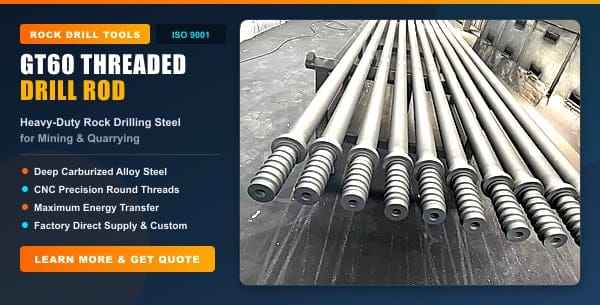
Selecting the right extension drill steel is critical for heavy-duty rock drilling in mining, quarrying, and civil engineering. Among top-hammer drilling systems, the GT60 thread system stands out for its superior energy transmission and durability. However, choosing the right GT60 drill rod—and knowing how to maintain it properly—directly impacts your operational costs and downtime.
This guide explores key selection criteria, operational best practices, and expert maintenance tips to help you optimize drilling performance and minimize your cost per meter.
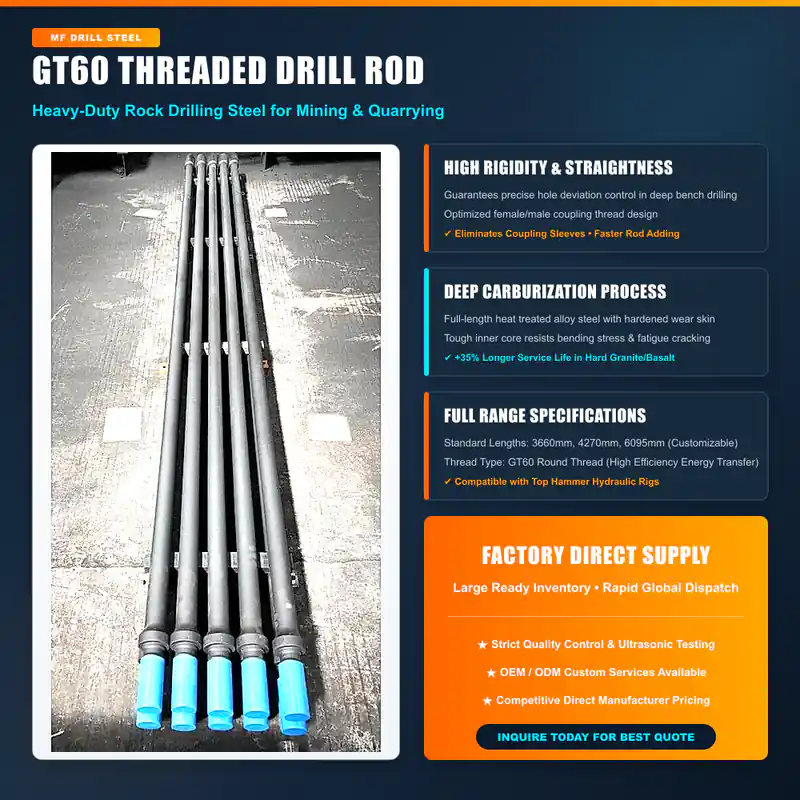
What Makes the GT60 Thread System Unique?
The GT60 system was specifically engineered to bridge the gap between heavy top-hammer drilling and smaller rotary tools. Designed for hole diameters ranging from 92 mm to 152 mm (3.6″ to 6″), it provides high-rigidity energy transfer with reduced thread wear.
Key Advantages of GT60 Drill Rods:
- Stiffer Thread Design: The large cross-sectional area resists bending, leading to straighter holes and lower wear on the drill string.
- Higher Energy Transmission: Handles higher impact output from modern high-power hydraulic rock drills without premature breakage.
- Tougher Alloy Steel: Manufactured from premium alloy steels and subjected to advanced carburization or high-frequency heat treatments to enhance fatigue resistance.
Key Factors When Choosing the Right GT60 Drill Rod
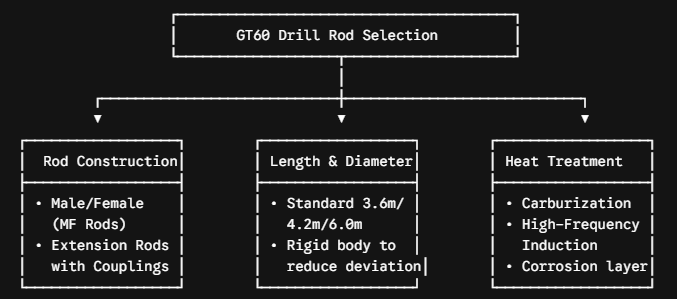
Not all GT60 rods are created equal. When sourcing drill steel for your job site, evaluate the following parameters:
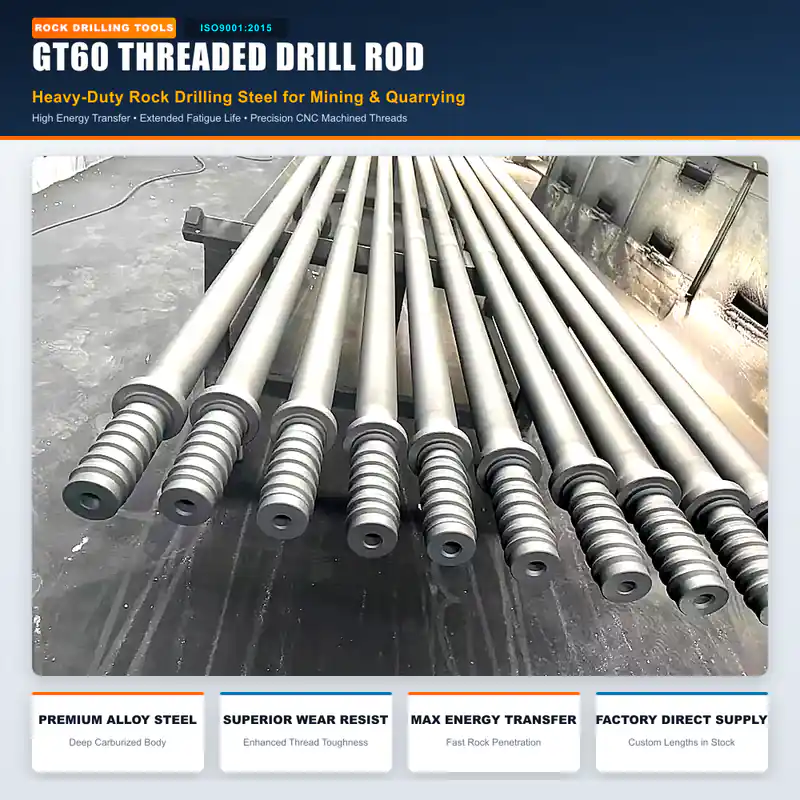
1. Male/Female (MF) Rods vs. Extension Rods with Couplings
- MF Drill Rods: Feature an integrated female thread on one end and a male thread on the other. They eliminate the need for separate couplings, improving energy transfer efficiency, reducing system weight, and making rod handling easier.
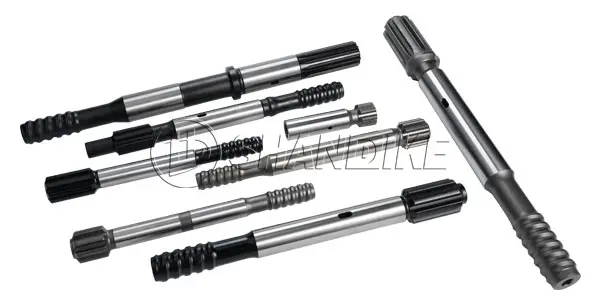
- Standard Extension Rods: Require a separate coupling sleeve. While flexible, they add another threaded connection point that requires regular inspection and torque management.
2. Rod Length and Hole Straightness
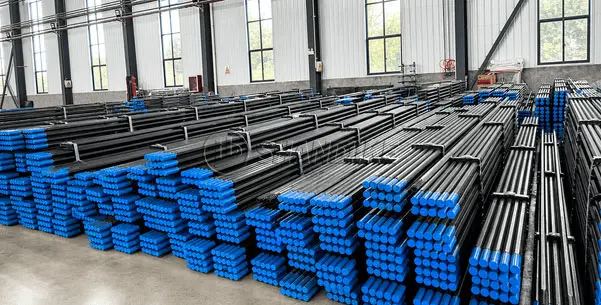
- Standard lengths range from 3,660 mm (12 ft) to 6,095 mm (20 ft).
- Pro Tip: For deep-hole bench drilling where hole deviation increases blast costs, choosing stiffer, thicker-walled MF rods significantly improves hole alignment.
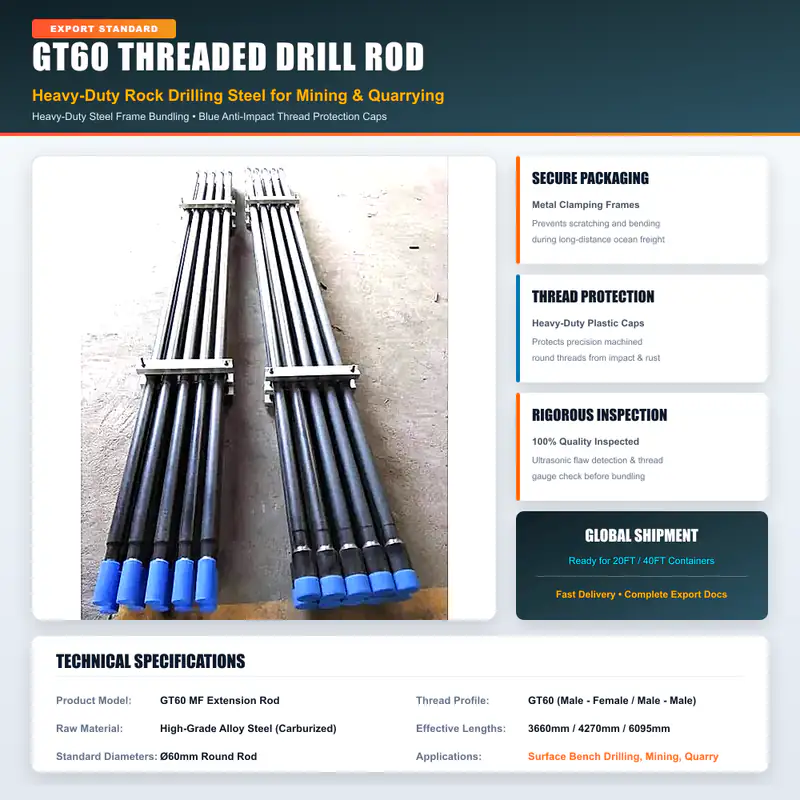
3. Surface Protection and Metallurgical Quality
Look for rods manufactured with carburization and anti-corrosion chemical treatment. Corrosion inside the flushing hole is a primary cause of fatigue failure in damp mining environments.
Field Maintenance Tips: Extending GT60 Rod Service Life
Proper handling on site can double the operational lifespan of your GT60 drill steel. Follow these best practices:
- Always Use High-Quality Thread GreaseNever join threads dry. Apply a zinc- or copper-based thread lubricant liberally before every connection to prevent galling and heat buildup.
- Maintain Correct Feed Pressure
- Too low feed pressure: Causes loose threads, energy loss, and high shock-wave reflection, resulting in thread heating and fatigue cracking.
- Too high feed pressure: Causes rod bending, hole deviation, and rapid thread wear.
- Inspect Thread Profiles RegularlyDiscard or re-thread rods showing severe pitch deformation, pitting, or burrs. A worn male thread will rapidly destroy a new female coupling or bit thread.
- Rotate Rod Order in the Drill StringRods closest to the shank adapter endure the highest stress. Regularly rotate rod positions within the string to ensure even wear across all components.
Common Causes of GT60 Rod Failure & Solutions
| Failure Mode | Likely Cause | Preventive Action |
| Thread Stripping / Galling | Lack of thread grease; over-torquing | Apply thread compound every joint; check breakout system |
| Breakage Near the Thread Shoulder | High bending stress from hole deviation | Ensure proper feed alignment; check guide sleeve wear |
| Mid-Body Fatigue Fracture | Internal corrosion / Flushing hole rust | Use corrosion-protected rods; clear water before storage |
| Overheating / Blueing at Threads | Loose joint operation / Excessive percussion | Maintain correct feed pressure; inspect uncoupling tightness |